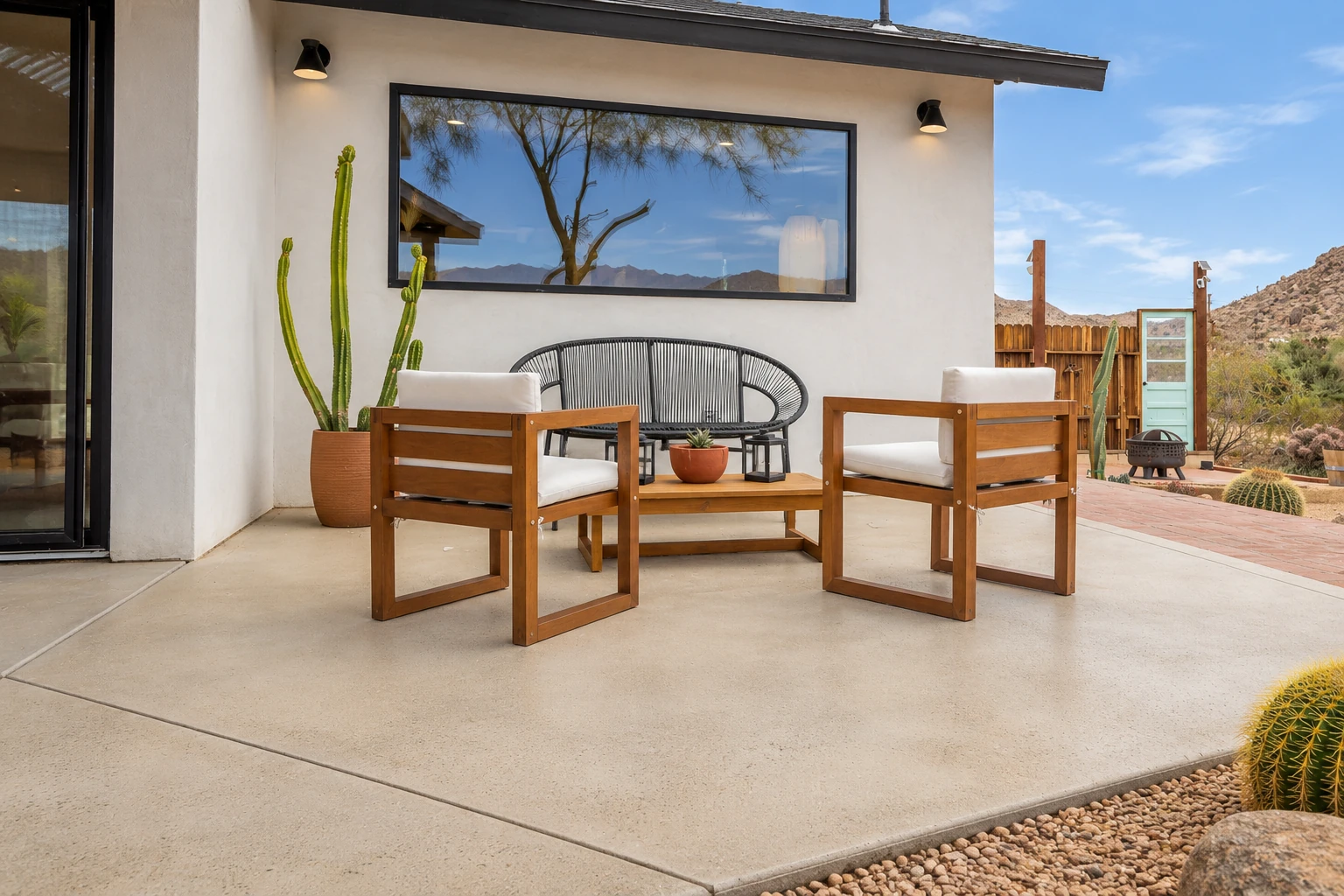
Concrete driveway building
When your driveway has sunk by the garage or split down the middle, we break it out, dig to firm ground and pack a new base before we pour.
Caliber East Los Angeles Concrete is a concrete contractor working in Alhambra, CA. We replace sunken driveways, cracked patios and broken walks, and build slabs, footings and foundations, with the ground under them dug out and packed first.
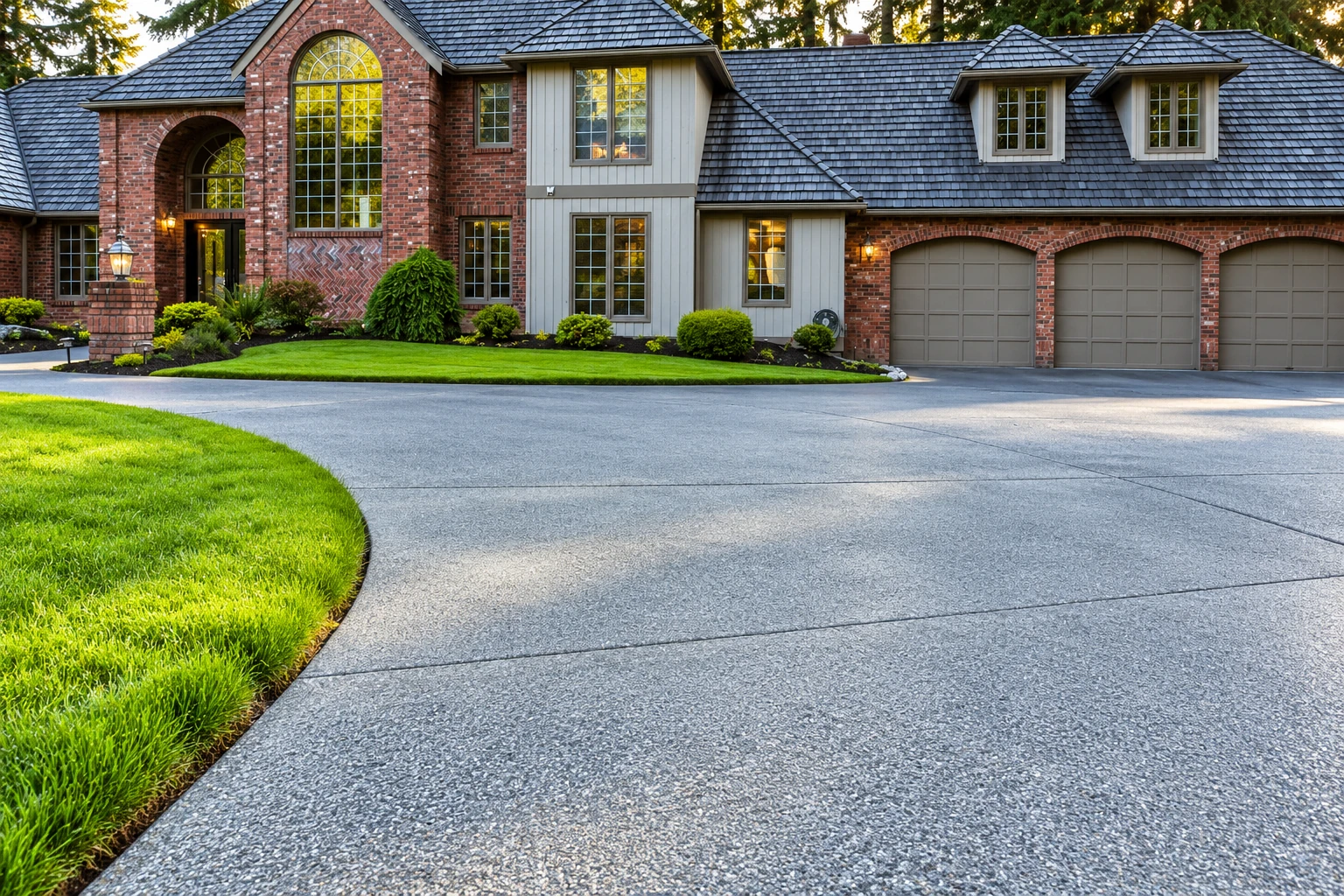
In Alhambra, we take on everything from one cracked walk to a full driveway, patio or slab foundation. Caliber East Los Angeles Concrete is a concrete contractor based in East Los Angeles, and Alhambra is one of the San Gabriel Valley cities we work in, along with Monterey Park next door.
A lot of what we see here is older homes with a driveway running along the side of the house to a garage in back, a front walk up to the porch, and a back patio that's cracked or settled. Side yards can be tight, so I plan how the concrete gets to the back, by wheelbarrow or pump line, before the truck ever shows up.
When an old slab here has sunk or split, it's usually the base, not the concrete. Somebody raked the dirt flat and poured on it instead of digging out and packing the subgrade, the ground the slab sits on, so the slab settled with the dirt. The other one we see is a patio that falls toward the house, so every rain puddles against the wall.
When your driveway has sunk by the garage or split down the middle, we break it out, dig to firm ground and pack a new base before we pour.
A back patio that tips toward the house or holds puddles gets torn out and poured again with a slight fall, so rain runs away from your walls.
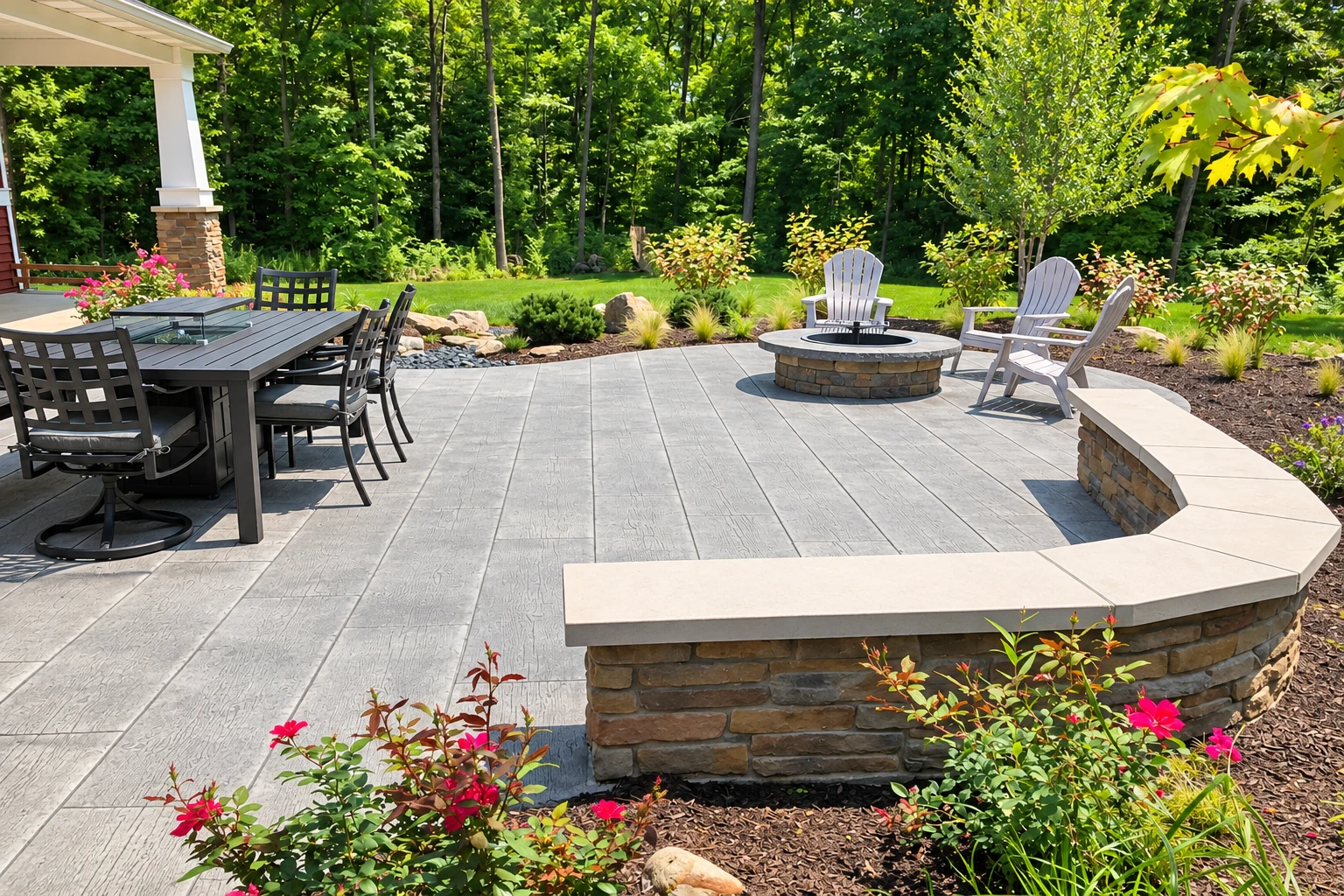
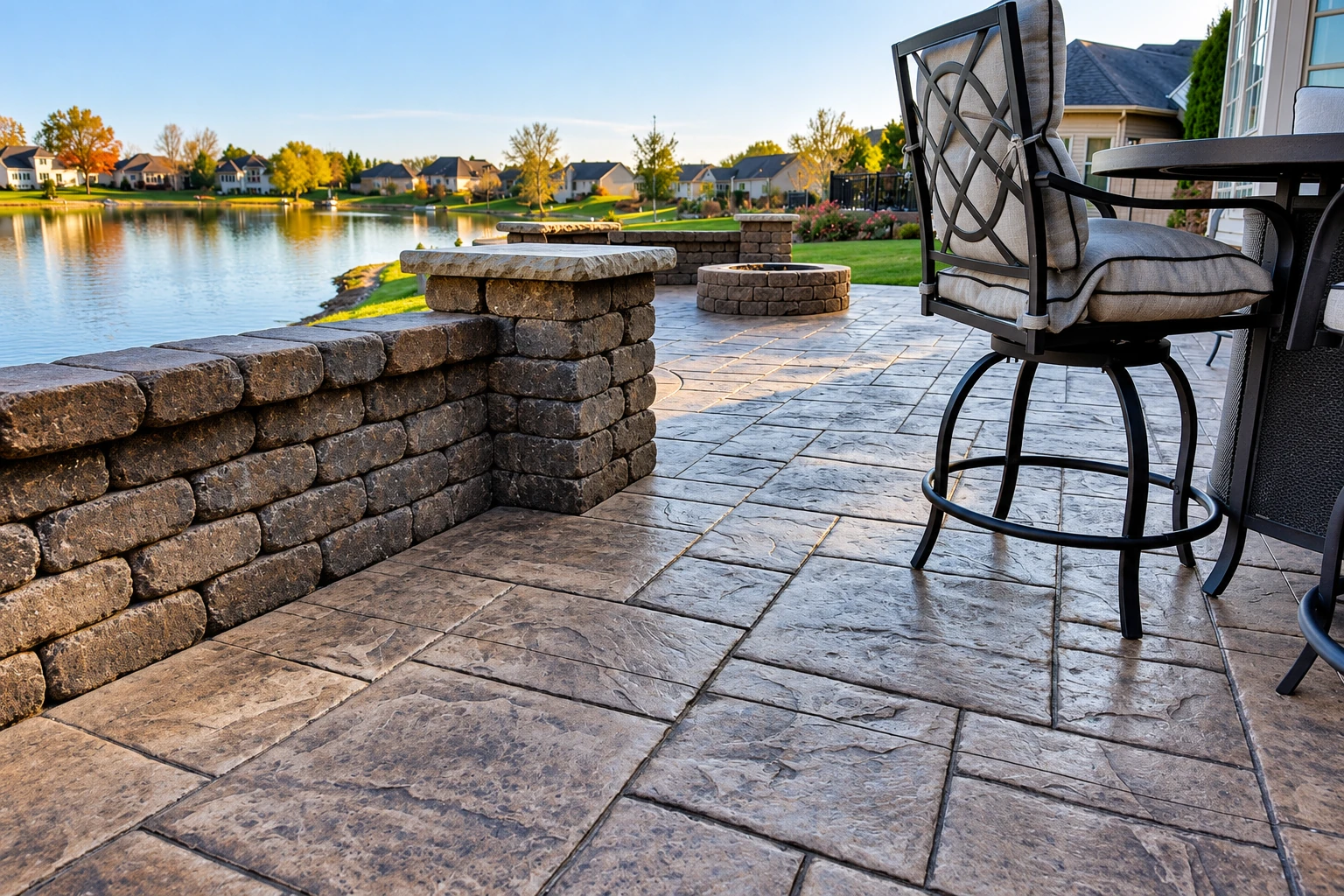
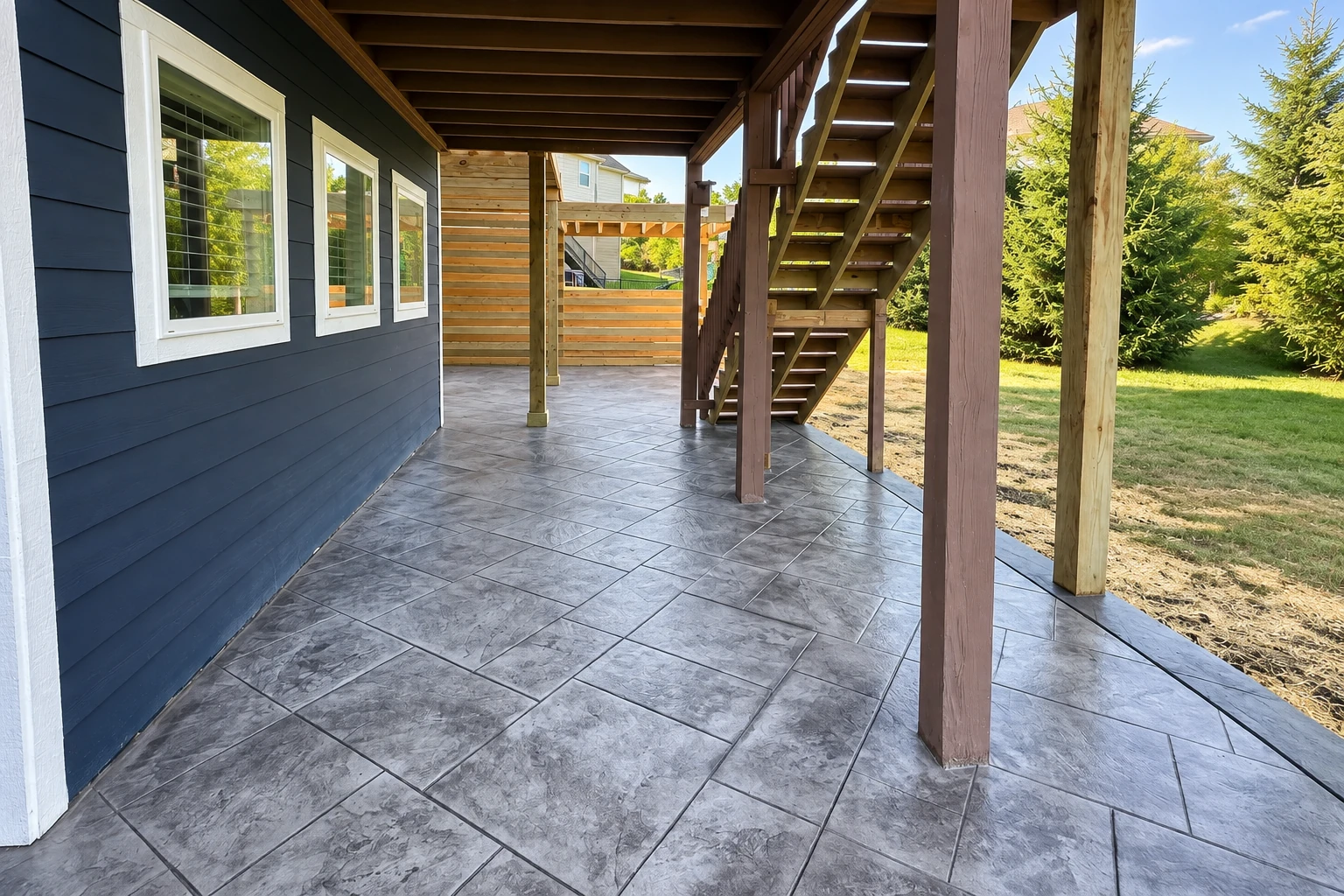
Stamped concrete gives a patio or front walk the look of stone or brick in one pour, and it sits on the same packed base as plain concrete.
Front walks and side-yard paths that have heaved or chipped are flatwork, the flat slabs like walks, patios and driveways, and we pour them back level with clean edges.
A cracked or dusty garage floor usually points to a weak top or a soft base, so we take it out, pack the ground and pour a slab made to carry cars.
Colored, scored or exposed-aggregate concrete suits front yards and patios where you want something besides plain gray, and we lay out the pattern around where the joints go.
Where a back yard steps up or a slope pushes on a walk, a concrete retaining wall holds the soil back with steel inside and drainage behind it.
For a room addition, workshop or converted garage, we pour interior concrete floors flat and level, so flooring or equipment sits right on top.
Around a pool we pour a broom finish, a brushed texture so wet feet don't slip, and slope the deck so water drains away from the edge.
Porch steps that have chipped or pulled away from the house get rebuilt with rebar, steel bars inside that hold the concrete together if it cracks.
For an addition, garage or back unit, we build slab foundations the way the plans call for them, with the base, steel and forms checked before the pour.
When a new structure needs a foundation, we dig, form and pour it to the drawings, because every wall above sits on what we build.
Owners of small lots and buildings call us for concrete parking areas that need a deep packed base and a slope that sends water to the drain.
Patio covers, block walls and additions need footings, the concrete pads or trenches that carry the weight, poured to the depth the plans call for.
If part of a slab or foundation has dropped, we find out why it settled before we raise it, because lifting it without fixing the cause just buys time.
We saw-cut old concrete for a new drain line, a wider driveway or a clean edge, so the slab next to the cut stays whole instead of cracking.
Send the form and we'll get back to you within one business day. I come out to your Alhambra property myself, walk the job, measure and give you a written quote that spells out what's included. The estimate is free, and there's no obligation.
(213) 338-1030In Alhambra, the city's Building Division issues building permits for work on private property, and it's the office to call to find out if your project needs one. Its list names work like additions, roofing and pools, not driveways or patios, so we ask before we set a date. When a job needs plan check, a review of the plans, an undated city overview puts that at 2 to 4 weeks before we can pour.
You can check two things on anyone you hire here. Contractors need a state license, and every business and contractor working in Alhambra also needs a city business license, with their state license number listed on the application. We're fully licensed and insured, and when your job needs a permit, we take care of it and the inspections that go with it.
What moves the price is mostly what's under and around the slab. How much old concrete comes out, how deep we dig to reach firm ground, how far we carry concrete down a narrow side yard and the finish you pick all show up in the quote. We price jobs the same way in Huntington Park and around East Los Angeles.
I've run this business since 2013, and I still do every estimate myself. I worked concrete every summer through school, next to finishers who'd been at it for decades, so when I walk your driveway I'm looking at the ground, the drainage and the forms, not just the cracks on top.
The base is where I won't cut corners. Nobody sees it once the slab is poured, and it's the first thing a low bid skips, but a slab on raked dirt settles with the dirt. If the budget's tight, put the money into a packed base and keep a plain broom finish. I'd rather lose a job by quoting it right than win it by skipping steps.
Our crew lead runs the work on site with our own crew, so the people pouring your slab work for us. Every job is backed by our satisfaction guarantee. Call (213) 338-1030 or use the form to set up a visit.
Beyond the permit itself, a few Alhambra rules can come up on concrete work, from rainwater and trees to who's licensed on the job. Here's what each one means for you.
Before it issues a building or grading permit, the city runs the project through a form that shows whether it has to meet low-impact development rules, which deal with rainwater runoff, or file a runoff plan. A bigger driveway or patio means more hard surface shedding water. If your job lands in that check, we plan the slope and drainage to match, and either way we set the fall so water heads away from your house.
Roots are a common reason a driveway or walk heaves, and the first thought is usually to take the tree out. Alhambra protects some trees and has rules on removal and replacement in its tree preservation handout, so check those before anyone cuts. If the tree stays, we can plan the slab and the base around it instead of pouring right over the roots.
Any construction company working in Alhambra files a contractor's report with the city's Finance Department, showing that every subcontractor on the job holds a valid city business license. The check takes about two weeks and has to clear before the building permit is finalized. On a permitted job that paperwork is ours to handle, and it's one reason the final sign-off can come after we've cleaned up and left.
If you pull the permit yourself as the owner, you have to carry workers' comp for relatives and anyone else working on the project, even if they're not paid. The exception is you and immediate family who live on the property with you. So a brother-in-law from across town who shows up on pour day to help needs to be covered.
The price turns on the size, how much old concrete comes out, how deep we dig to firm ground, how easy the spot is to reach and the finish you pick. A plain broom finish costs less than stamped or colored concrete, and I put all of it in a written quote at the estimate, so you can compare it line by line.
You can usually walk on new concrete within a few days, and driving on it takes a longer wait, because concrete keeps curing, slowly hardening, well after the pour. Driving on it too early is how edges chip and cracks start. I'll give you the dates for your slab before we begin, so you can plan where the cars go.
Concrete can still crack, but a packed base keeps it from sinking, and control joints, shallow grooves cut into the slab, give it a straight place to crack where you won't notice. We cut them as soon as the slab can take it, because joints cut late or skipped are where random cracks come from.
A licensed contractor can, or someone exempt under state law, like an owner-builder. If you pull it yourself, you're the responsible party of record, and the city's own owner-builder form says having a licensed contractor hold the permit may protect you from financial risk. When your job needs a permit, we pull it and handle the inspections.
Only if the job is under $1,000, needs no permit and the handyman hires no one to help, according to the state licensing board. If the job needs a permit or they bring on a worker, they need a contractor's license even when the bill is under $1,000. That limit went from $500 to $1,000, so older advice may be out of date.
Clear the area and the path to it, move cars off the driveway, and tell us about sprinkler lines, drains or anything buried where we'll dig. Plan on keeping kids, pets and cars off the fresh slab until we say it's ready, because a print or a tire mark in wet concrete stays there for good.
We're reachable every day from 7 AM to 11 PM, so call (213) 338-1030 after work or send the form, and I'll come out to look at the job.