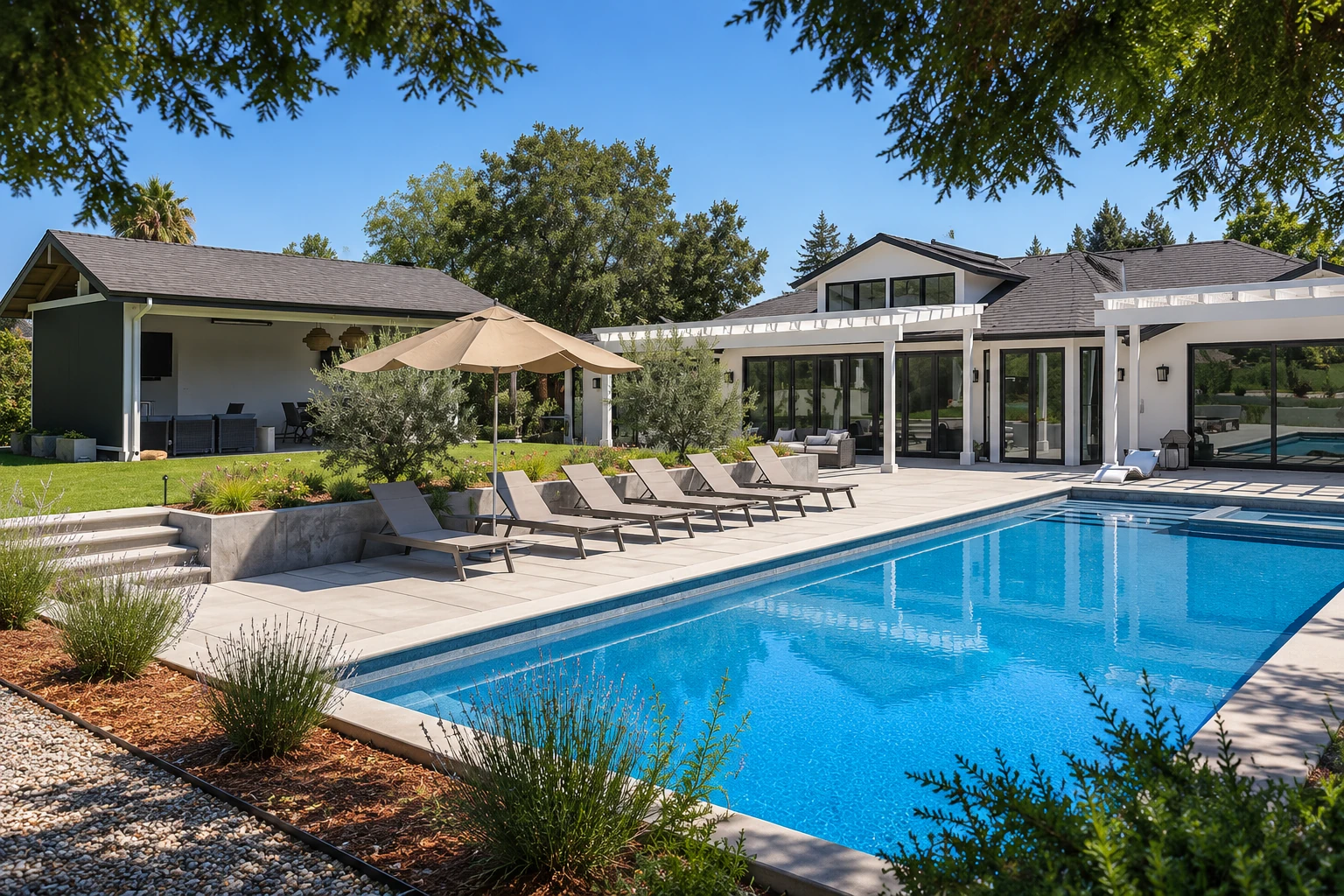
Concrete driveway building
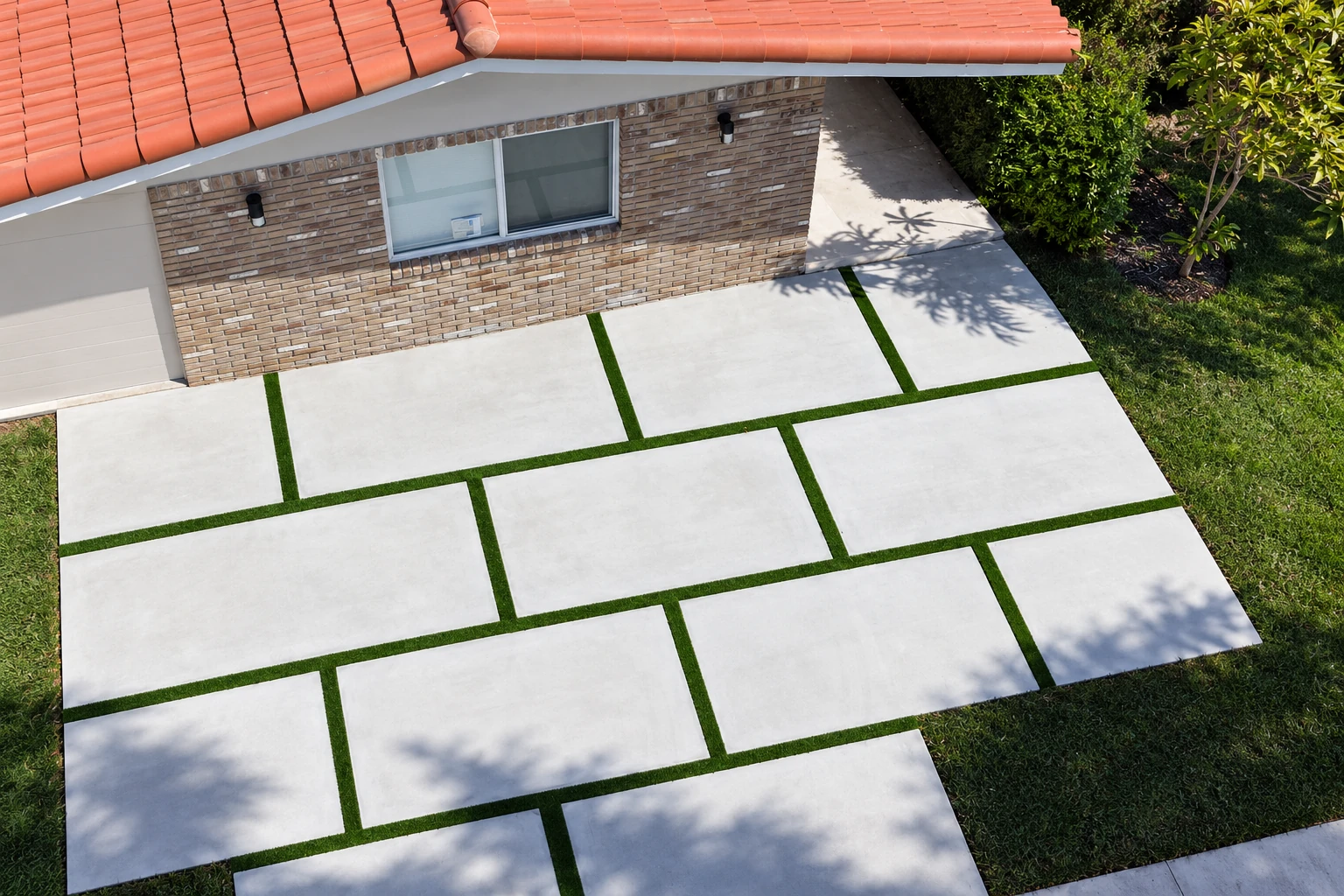
When your driveway has a crack across it or a section that sank, we break it out, dig to firm ground, pack the base and pour a new one.
Caliber East Los Angeles Concrete is a concrete contractor based in East Los Angeles, CA, pouring driveways, patios, walks, garage floors and foundations in Norwalk. We put our time into the base under the slab, because that's what holds concrete up.
Caliber East Los Angeles Concrete builds and replaces concrete driveways, patios, walks, steps, garage floors, footings and slab foundations in Norwalk. I come out to look at the job and write the quote myself. Our crew lead then runs the work with our own crew, from tear-out to cleanup.
Most calls from Norwalk start with something the homeowner can see. It might be a driveway with a crack running across it, a patio that dropped at one corner, or water pooling by the back door after a rain. The cause is usually underneath. The old slab went down on dirt that was raked level and never packed, so it sank as the dirt settled.
Norwalk is one of the cities we cover from East Los Angeles, along with West Covina and plenty of others nearby. The fix doesn't change from city to city. We break out the old slab and dig down to firm dirt. Then we pack the new base in layers and set the forms so water drains away from the house before we pour.
When your driveway has a crack across it or a section that sank, we break it out, dig to firm ground, pack the base and pour a new one.
If water pools against the house on your back patio, we set the forms so the new slab falls away from the walls and drains toward the yard.
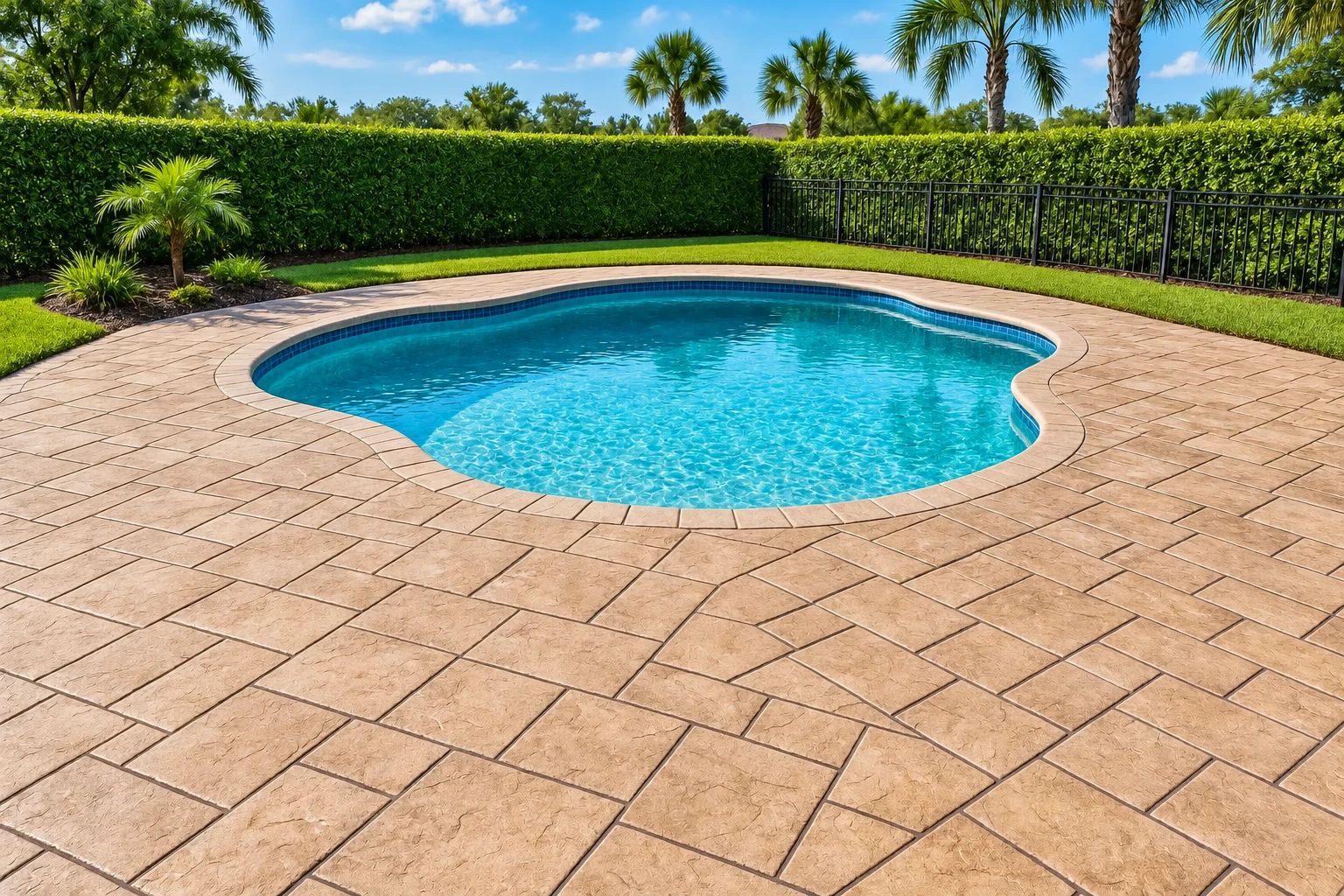
Stamped concrete gives a patio or walk the look of stone or brick. It's pressed in while the slab is fresh and goes on the same packed base as plain concrete.
When a front walk has heaved or broken into edges you trip on, we replace it with straight, even sections and cut joints where the cracks should go.
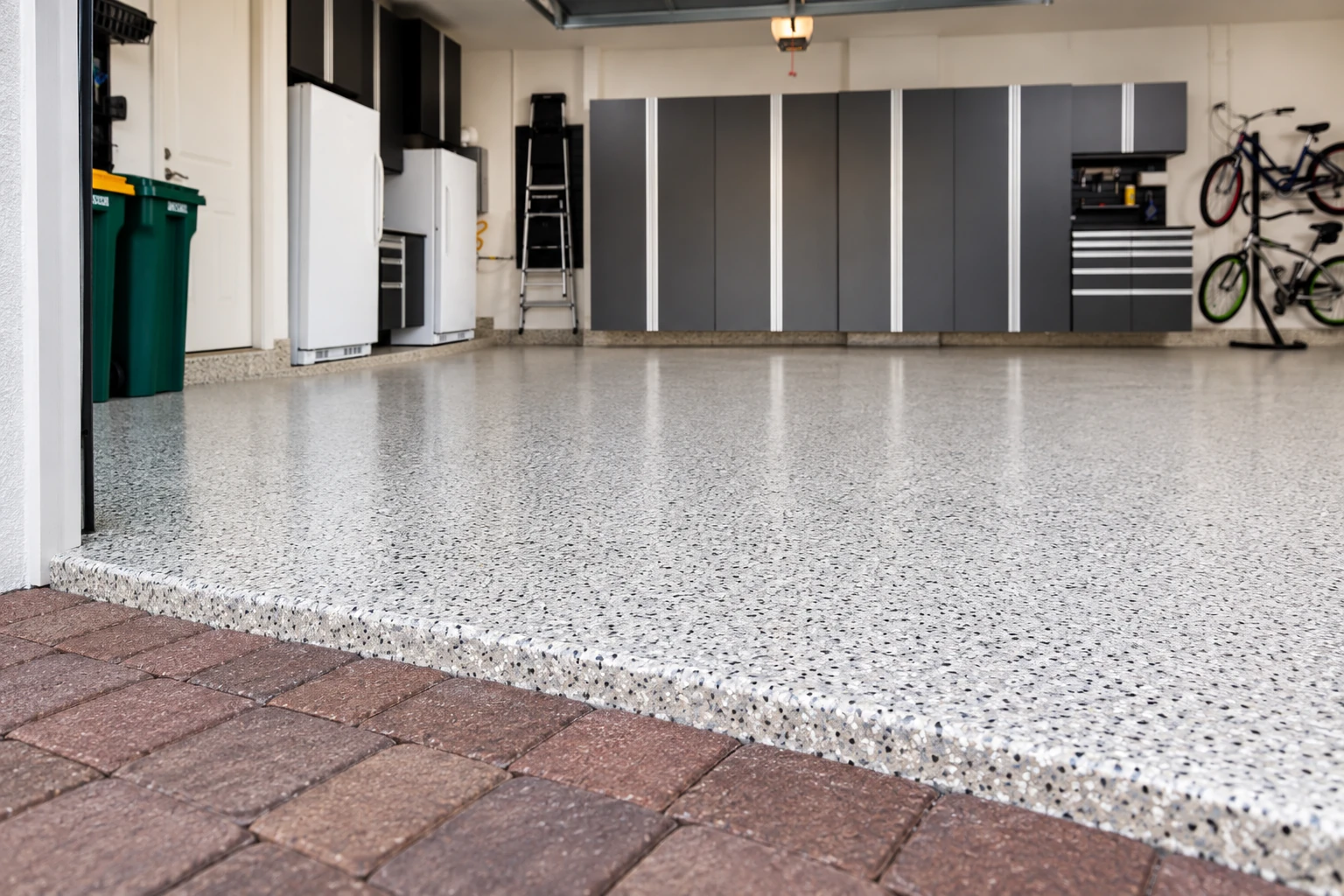
If a garage floor is cracked, stained or sloping the wrong way, we break it out and pour it again thick enough for the cars and toolboxes that sit on it.
Colored concrete, exposed aggregate and saw-cut patterns can give your yard a finished look without pavers, as long as the base under them is right.
Where a yard steps down or soil pushes against a fence, a concrete retaining wall holds it back. We build it on footings with drainage behind it.
For a room addition, workshop or shed, we pour an interior concrete floor that's level, flat and ready for whatever goes on top of it.
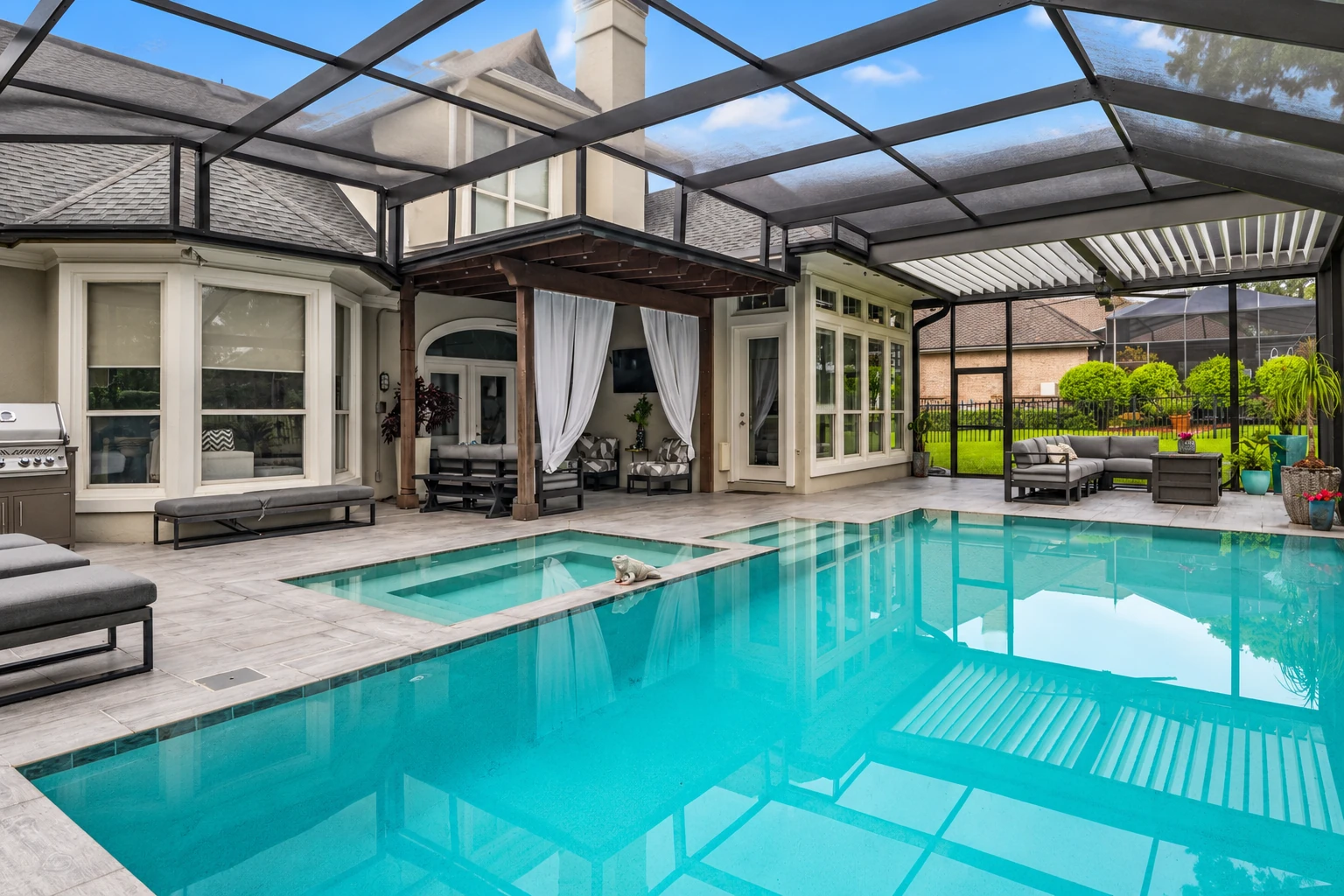
Around a pool, we pour a deck with a texture that grips wet feet and a slope that sends splash water away from the pool and the house.
When front steps have cracked, settled or pulled away from the porch, we rebuild them with even risers so nobody catches a toe at the door.
For a garage, an addition or a backyard unit, we form and pour the slab foundation the way the plans call for it, with the steel in place.
When a new structure needs footings and walls under it, our crew digs, builds the forms, sets the rebar and pours to the depths on your plans.
For business lots and building owners, we pour parking areas thick enough for daily traffic and slope them so water runs to the drains instead of standing.
Fences, block walls, posts and patio covers need footings, the concrete under them that carries the weight. We dig and pour them to the size the job calls for.
If part of a slab or foundation has dropped and your doors have started sticking, we find out why it settled before we talk about lifting it back up.
When only part of a slab has to go, we saw-cut it for a clean edge. We also cut openings for new plumbing lines or a doorway.
We get back to you within one business day and set a time for me to come out to your Norwalk property. I'll walk the job, measure and give you a written quote that spells out what's included. The estimate is free, and you're under no obligation to go ahead.
(213) 338-1030Before we set a date in Norwalk, we check with the right permit office for your address. When your job needs a permit, we take care of it and the inspections that go with it, and the start date waits on that. California requires a current state license from anyone who contracts for work that needs a building permit, uses employees, or comes to $1,000 or more in labor and materials. We're fully licensed and insured, so ask for our license details with your quote.
The price moves with the size of the slab and whether old concrete has to be broken out and hauled away. It also depends on how much digging and base work the ground needs, how thick the slab is poured and the finish on top. The schedule turns on the permit check, the weather on pour day and the cure time before you can use it. We price a Norwalk driveway the same way we price one in Downey, and your written quote gives you your figure.
I started this business in 2013, after years of summers hauling forms and finishing concrete next to guys who'd been doing it for decades. I still do the estimates myself. Our crew lead runs every job on site with our own crew. I'd rather lose a job by quoting it right than win it by skipping steps.
The base is where I won't cut. Nobody sees it on day one, so it's the first thing people want to trim when the budget's tight, but a slab poured on raked dirt sinks with the dirt. I'd drop a stamped pattern for a broom finish, the light texture that keeps your shoes from slipping, before I'd skimp underneath. Our work is backed by our satisfaction guarantee. Call (213) 338-1030 or send the form to set up your estimate.
A few things decide how a Norwalk concrete job goes before anyone mixes a yard of concrete. They are:
The state licensing board says owners who build or improve existing structures on their own property may be exempt from the contractor license. That applies when they do the work themselves or use their own employees paid in wages. If you go that route on a patio or walk, put your effort into digging out and packing the base, because a nice finish can't make up for a weak base.
California's building code, called Title 24, is the statewide set of building rules. The state lists the current edition as effective January 1, 2026. Footings, slab foundations and retaining walls go in on plans, and we build them the way the plans call for it, with the depths and steel the drawings show.
California maps areas prone to ground failure in earthquakes, including liquefaction, when wet soil gives way, and landslides set off by a quake. That statewide program doesn't label Norwalk one way or the other, so it's worth checking your own address. At the estimate, I look at the subgrade, the soil your slab will sit on, because how firm it is decides how much we dig out and pack.
Plenty of the slabs we tear out were poured flat or tipped toward the house, so rain sits by the walls or runs under the garage door. We check where the water runs before we set forms, then slope the slab toward the yard, the street or a drain. You won't notice the slope standing on it, and it keeps water out of the base.
Your price comes from the written quote I give you after I walk and measure the job, because two driveways the same size can need very different work underneath. Breaking out the old slab, extra digging where the ground is soft, a thicker pour for heavy trucks and a stamped or colored finish all raise the price. A plain broom finish on a packed base keeps it down.
You can usually walk on it after a day or two and park on it after about a week. That wait is curing, the time concrete takes to harden, and it keeps gaining strength for weeks after that. Plan to park on the street until then, because tires on fresh concrete chip the edges.
It can still crack, but a slab on a packed base with control joints usually cracks along lines we picked instead of across the middle. Control joints are the grooves we cut to give the slab a place to crack. Rebar, the steel bars set inside, holds it together if it does crack. Most driveways are poured 4 inches thick.
You can only if all four conditions apply. The whole job comes to less than $1,000 in labor, materials and every other cost combined. It needs no building permit and no employees work on it. And the person doesn't advertise as a licensed contractor. The state raised that limit from $500 to $1,000 starting in 2025. A crew that brings helpers is already outside the exemption, so ask to see a license.
Type your address into the state's EQ Zapp map, and it shows whether the property sits in any mapped earthquake hazard zone. It also tells you if the state hasn't evaluated your area yet. If a zone shows up on your lot, mention it at the estimate and I'll take it into account when I look at the ground.
Move cars, patio furniture and potted plants out of the work area. Tell us about sprinkler lines, buried wires or a dog that likes the yard, because we need a clear path for the truck and the forms. After the pour, keep kids, pets and cars off the slab until the cure time is up.
We answer every day from 7 AM to 11 PM at (213) 338-1030, or you can send the form and ask for our license details along with your quote.