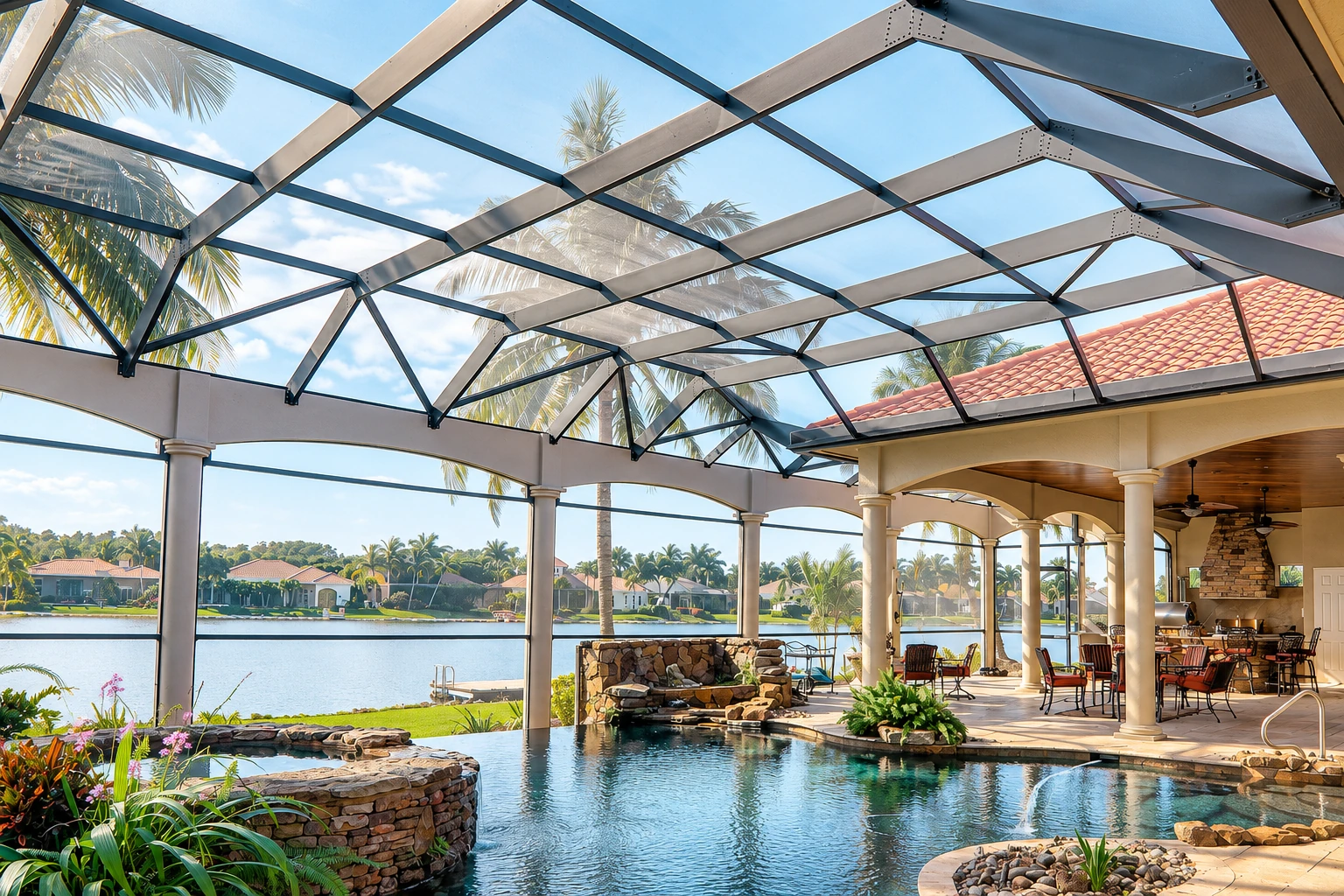
Concrete driveway building
When the driveway has sunk or cracked through, we tear it out, dig down to firm ground, pack a new base and pour a slab that drains toward the street.
Caliber East Los Angeles Concrete is a concrete contractor based in East Los Angeles. We pour driveways, patios, walks, steps, garage floors and foundations for homes, lots and buildings in Maywood.
Caliber East Los Angeles Concrete pours and replaces driveways, patios, walks, steps, garage floors and foundations in Maywood, and I come out to look at every job before anything gets quoted. Most of what we do here is flatwork, which means the flat slabs around a house, on lots where there isn't much room to spare.
Maywood packs a lot of houses into a small city, so many jobs start with how we get in. A driveway that runs past the house to a garage in back is common, and it's often the only way in for forms, base material and the concrete itself. We plan the pour around that access before we set a date.
Plenty of the slabs we break out here are old, patched more than once and sitting on dirt that was never packed. That's why they sink at one edge, crack across the middle or hold water against the house. Next door in Huntington Park and Commerce, we find the same problems and fix them the same way, starting with the ground.
When the driveway has sunk or cracked through, we tear it out, dig down to firm ground, pack a new base and pour a slab that drains toward the street.
A backyard patio makes a small lot more usable. We slope it away from the house so rain runs off instead of sitting against your walls.
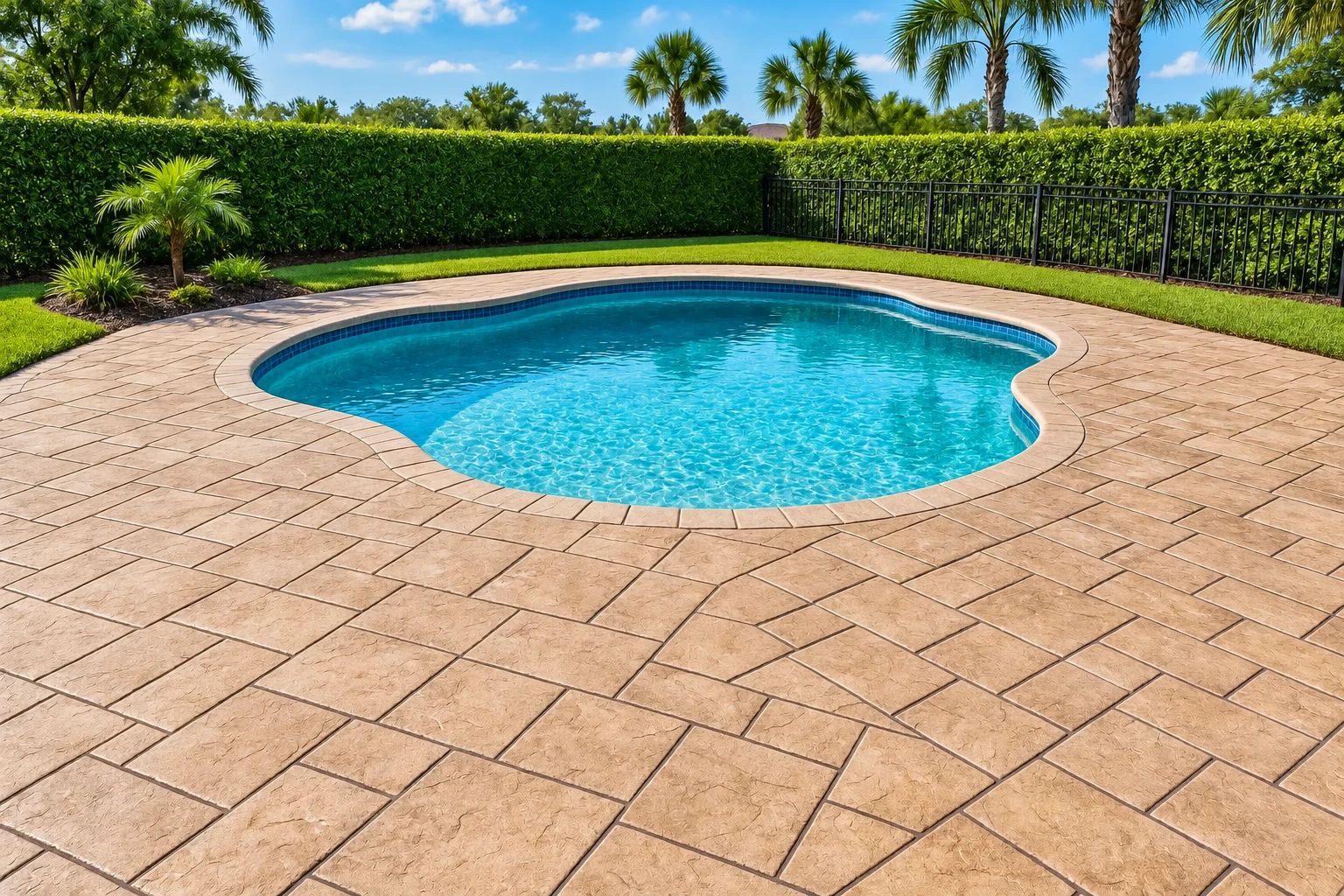
Stamped concrete has a pattern pressed into it, so a patio or front walk looks like stone or brick. Underneath, it's still one solid slab on a packed base.
A cracked or lifted walk from the gate to the door is easy to trip on. We replace it with a slab that sits flat and drains.
A chipped, dusty or cracked garage floor can be broken out and poured again. We set the slope so water runs out the door instead of pooling inside.
Color, exposed aggregate or a custom border can dress up a front entry or a patio. We'll tell you which finishes hold up best for the way you use the space.
Where a yard changes level, a concrete retaining wall holds the soil back. We build it on a footing with drainage behind it so water doesn't push against it.
We pour interior floors for garage conversions, workshops and commercial spaces. Each one goes in level over a prepared base and gets a finish that suits how the room is used.
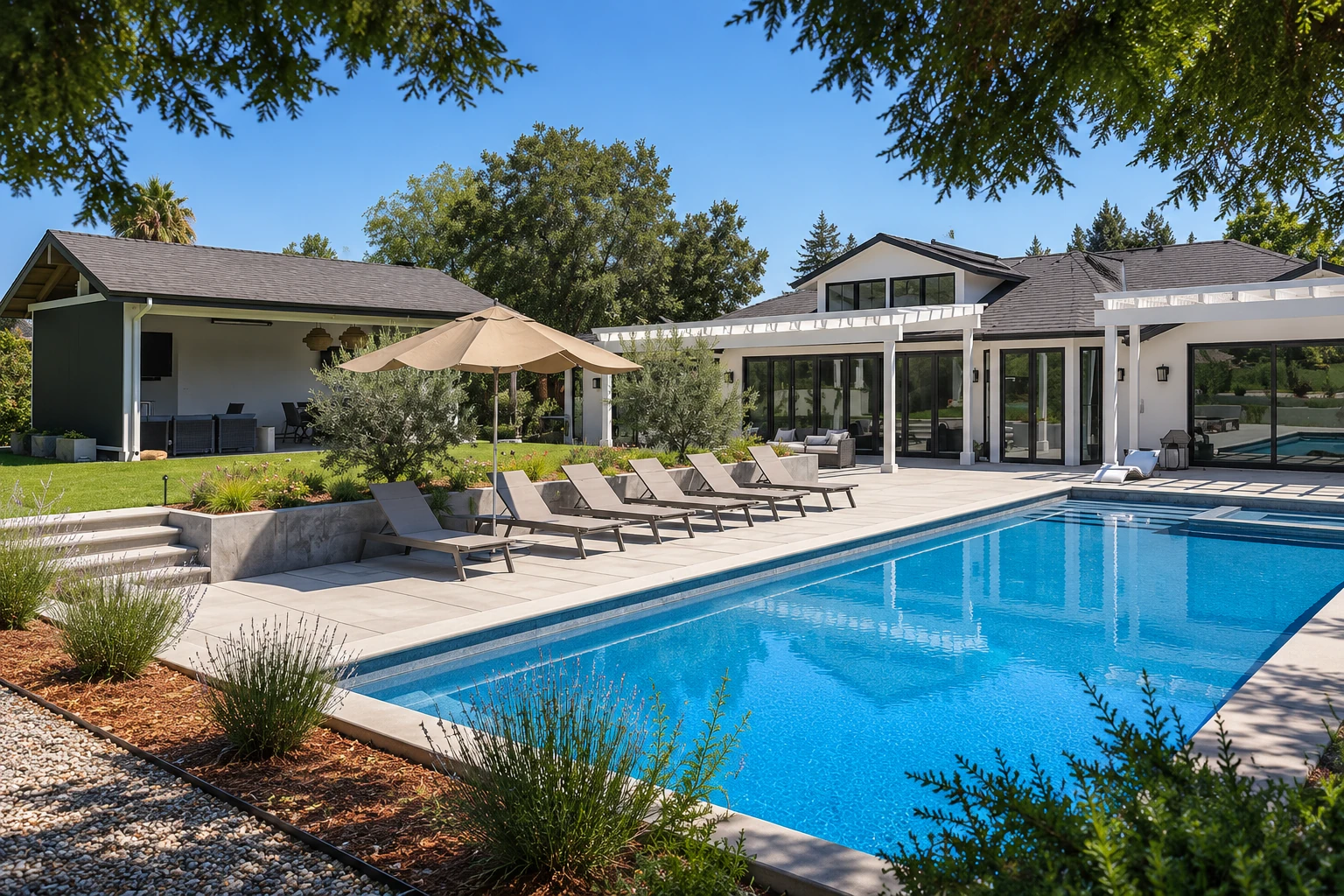
A pool deck needs a surface that isn't slick when it's wet. It also needs a slope that sends splash water away from the pool and the house.
When front steps crack or pull away from the porch, we rebuild them with even rises so nobody has to watch their feet on the way in or out.
A room addition, garage or backyard unit starts with a slab foundation. We pour it to the plans, with the steel and thickness the drawings call for.
For new structures, we build foundations the way the plans and the engineer call for, because everything that goes on top depends on them.
Owners of apartment and commercial lots call us to replace worn, broken parking areas. The new concrete is laid out to drain and to carry daily traffic.
Footings carry the weight of a wall, a patio cover or a new structure. We dig them to the depth on the plans and pour them solid.
When part of a slab or foundation has dropped, raising it back toward level can save you from tearing it out. I'll tell you which option makes sense once I've looked.
We saw-cut concrete for new openings or plumbing trenches. We can also take out one damaged section cleanly without breaking up the slab around it.
We get back to you within one business day to set a time, and I come out to your Maywood property myself to walk the job and measure. You get a written quote that spells out what's included. It's free, and there's no obligation to book.
(213) 338-1030The city's Building Division issues building permits in Maywood. It requires them for all new construction and for most replacements and remodels. The division doesn't cover work in the public right-of-way, which is the strip along the street. Inspections happen only on Tuesdays and Thursdays, so when a job needs one, the pour date has to line up with an inspection day.
The city checks that a contractor holds a valid state license and workers' compensation insurance. Maywood also has its own business license, so it's fair to ask a contractor about both. Before we set a date, we check with the city about your address. When the job needs a permit, we take care of it and the inspections that go with it.
The price comes down to the size and thickness of the slab, how much old concrete comes out and how much base we dig and pack. Steel, the finish you pick and how easily we can reach the spot also count. The schedule turns on the permit, the inspection days and the cure. It's the same routine we follow in Monterey Park and the other cities around East Los Angeles.
I started this business in 2013, after spending my school summers hauling forms and finishing next to guys who'd poured concrete for decades. I still come out and write every quote myself. Our crew lead runs the work on site with our own crew, so the quote and the work come from the same people.
Most of our time on a job goes into what you won't see once it's poured, which is the digging, the forms and the drainage. That's how flatwork stays flat. It's also why our quote can come in above one that skips those steps. I'd rather lose a job by quoting it right than win it by cutting corners.
We're fully licensed and insured, and our work is backed by our satisfaction guarantee. If you've got a sunken driveway, a cracked walk or a patio you've been putting off, call (213) 338-1030 or send us the form. I'll set a time to come take a look.
Four things decide whether new concrete stays flat and dry around a house here. Here's what each one means for your job, and what we do about it.
The subgrade, the dirt and base the slab sits on, decides whether it stays flat. We dig out to firm soil, bring in base and pack it down, because loose fill that's only raked level settles and takes the slab with it. If the budget gets tight, that's the last place I'd cut. I'd drop a decorative finish before I'd skimp on a base nobody sees.
Water pooling by the garage or running toward the house usually means the old slab was poured flat or tipped the wrong way. Before we set forms, we check where water runs on your lot. Then we set the slope to carry it toward the street or a drain and away from your walls. On a narrow lot, there's often only one good direction for it to go.
Concrete shrinks as it dries, so it's going to crack somewhere. Control joints are grooves we cut into the slab, and they give the crack a straight line to follow instead of a random path across the middle. We cut them while the slab is still fresh. Where the slab carries weight, like a driveway, we add rebar, steel bars that hold the pieces together.
Curing is the wait while the concrete gains strength, and the slab needs it before it can take foot traffic and then car tires. We keep the surface from drying too fast, and we pour early enough to finish without rushing, because a top that's worked late can turn weak and dusty. A broom finish, the light texture that gives shoes and tires grip, goes on last.
Your price depends on your driveway's size and the work underneath it, so I give you a written figure after I measure. The biggest factors are tearing out the old concrete, digging and packing the new base, the slab's thickness, steel and how a truck reaches the spot. A plain broom finish costs less than stamped or colored concrete.
You'll be off the driveway from tear-out until the new slab has cured enough to hold a car. You can walk on it well before you can park on it. A permit and the city's inspection days, which we covered above, can move the start. I'll walk you through the schedule for your job when I give you the quote.
Move your cars off the driveway and clear anything along the edges, like pots or bins, so we can set forms. Tell us where your sprinkler lines and downspouts are, and keep kids and pets inside on pour day. We'll go over anything else your job needs at the estimate.
Concrete can get small cracks as it dries, but a slab on a packed base with control joints cut in time will crack along those joints instead of across the middle. The big cracks and the sinking you see in old slabs usually come from the base underneath. That's why we spend so much time on it.
The city requires construction and demolition projects to use its franchised hauler, Universal Waste Systems, at 562-287-7888. That includes the old slab we break out, so we plan the haul-off through them. Those projects also have to get any permits that apply, and we sort those out before tear-out.
Under the city's code, missing permits bring fines and penalties for both the owner and the contractor. That's why we check your address with the city before we set a date. If you'd like to ask the city yourself, its staff directory lists permit appointment times, but check with the city for current hours.
We pick up from 7 AM to 11 PM, seven days a week, so you can call (213) 338-1030 after work or send the form whenever it suits you.