Caliber East Los Angeles ConcreteCaliber East Los Angeles Concrete

Concrete parking lot building in East Los Angeles CA - a lot built for what parks there

Gravel ruts, potholes or a lot that floods after rain? We pour concrete pavement sized to the vehicles that park there and sloped to drain.

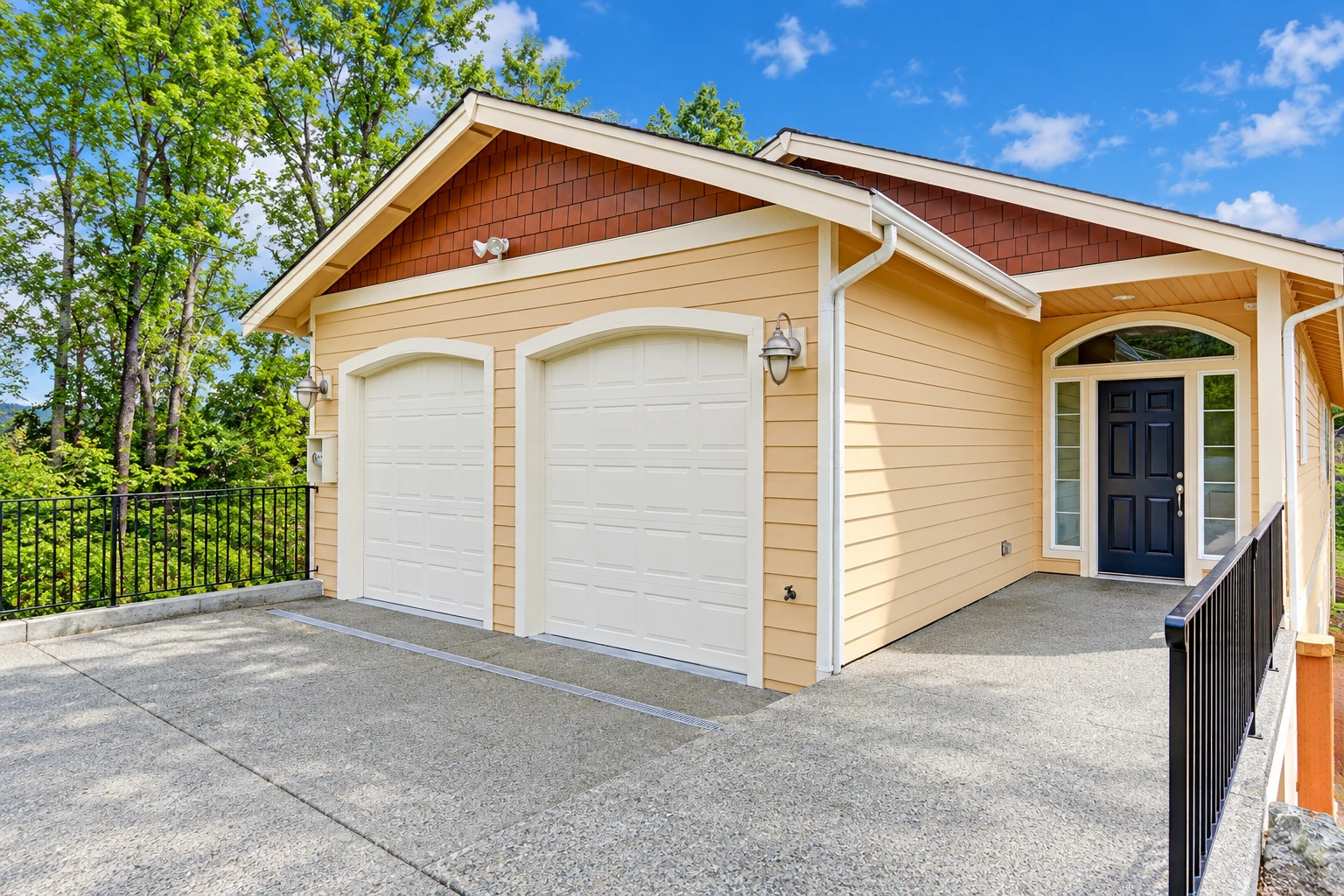
A broad concrete driveway and entry ramp lead to a tan house with two white garage doors and a black front door.

Concrete parking lot building in East Los Angeles means forming, pouring and finishing a concrete slab where cars and trucks park. It's built thick enough for the heaviest vehicle that uses it and sloped so water runs off instead of sitting in the stalls.

What goes into building a concrete parking lot in East Los Angeles?

Most calls start with a lot that's cracking, holding puddles after rain or breaking up where trucks turn. The price depends on the lot's size, how thick the slab has to be for the vehicles on it, how much old pavement and bad ground has to come out, and where the drainage goes. My written quote spells out what's included.

The schedule turns on two things. One is the permit check. The other is how long the lot can stay closed while the concrete cures, which is the wait before it's strong enough to drive on. Permits for East Los Angeles go through the county, and I find out what your lot needs before we pick a date.

What keeps a parking lot slab flat and dry

Most of what decides how a lot turns out happens before the finish goes on. These are the parts we watch on a parking lot pour, and they're the ones that go wrong when a crew rushes.

Even ground under the slab

The subgrade is the soil the slab sits on, and it matters more than anything you'll see. Industry guidance doesn't call for a special base layer, but it says that soil should be the same type, moisture and density across the lot. Soft or mixed patches usually get dug out and refilled with material like the ground around them so one spot doesn't settle.

Joints cut on time

Concrete shrinks as it dries, and it's going to crack somewhere. Control joints are straight cuts in the slab that make those cracks follow a clean line where we chose to put it. If the joints are cut late or skipped, the cracks pick their own path across your lot.

Pouring before the heat

A midday pour in summer heat dries the top too fast and leaves a weak, dusty surface that chips. We'd rather start early and keep the slab damp while it cures, the stretch when the concrete gains its strength. That wait is the reason your lot stays closed for a few days.

What happens when you call about a parking lot in East Los Angeles?

Here's how a lot job runs with us, from the first call to the final walk-through, and who you'll be dealing with at each step.

  1. 1

    Call or send a message

    Call (213) 338-1030 or use the form, and tell us roughly how big the lot is and what parks on it. We get back to you to set up a time for me to come out.

  2. 2

    I measure and write the quote

    I walk the lot, measure it and ask how it's used and which vehicles park there. I also find out which office handles your address. Then you get a written quote that spells out what's included.

  3. 3

    Our crew preps and pours

    Our crew lead runs the job with our own crew. We take out any old pavement, dig out and pack the ground, set the forms, then pour, finish and cut the joints on the dates your lot can close.

  4. 4

    We walk it before reopening

    I walk the finished lot with you before we pack up. After that, cars and trucks stay off until the cure wait we planned around is over, which the FAQ below explains.

Request an estimate

How we build a concrete parking lot

We start with what parks there. I size the slab to the heaviest vehicle that uses the lot regularly, because a slab poured for cars won't stand up to a delivery truck turning on it every morning. Industry guidance gives starting thicknesses for cars and for light trucks, and your project's designer confirms the number for your lot.

We settle drainage early, not on pour day. Industry guidance slopes the pavement slightly toward drainage points, and I work out with you where those points go so water doesn't run toward your building or sit in the stalls. If it's a working lot, we talk through how long it has to stay closed before we pick a date.

Lots usually come with other concrete work. A carport, light poles or a wall along the edge each need concrete footings underneath, and we can pour those along with the lot. If the building next to the lot has settled, foundation raising is a separate job, and I can look at it on the same visit.

Close it all or half at a time

Closing the whole lot at once gets it poured and cured in one go, so you're done sooner. Pouring half at a time keeps some parking open, but the job runs longer and leaves a seam between the two pours.

Where the money goes first

Nobody sees the base once it's poured, so it's the first thing people want to cut. I'd put the money into dug-out, packed ground before any edging or color, because a nice surface on bad ground settles anyway.

Get a written quote for your parking lot

Send us the lot's size, the vehicles that park there and the dates it can close, and we'll respond within 1 business day. Then I come out for a free estimate at your property, measure the lot and give you a written quote. It's obligation-free.

(213) 338-1030

contact@eastlosangelesconcrete.com

Parking lot permits and rules in East Los Angeles

In East Los Angeles, permits come from LA County Public Works, not a city hall. The county's permit list names new buildings, grading and ADA striping, but it doesn't name parking lot paving, so we won't know whether your lot needs a permit until we ask. I check with the county's East Los Angeles Building and Safety office before we set a date. If you need a permit, we take care of it and the inspections.

Two more checks belong with the county before work starts. Its stormwater design standards call for planted islands and landscaped areas in parking lots, which can decide where yours go. A state accessibility rule applies to some lots and counts the required accessible spaces for each lot on a site separately. The office takes calls at (323) 881-7030, Monday through Thursday 7 AM to 4:30 PM and Friday 7 AM to 3:30 PM.

We're based in East Los Angeles and work in the cities around it, like Montebello and Downey, plus plenty of others nearby. Most of those cities run their own permit counters, so the office depends on your address. A lot of the lots we pour around here sit behind shops and small apartment buildings, where delivery trucks and customer cars share a tight slab.
Why East Los Angeles property owners call Caliber East Los Angeles Concrete for lots

I started this business in 2013, so that's 13 years now, and I still do the estimates myself. Our crew lead runs the work on site with our own crew, from the dig-out to cleanup. I'd rather lose a lot by quoting the prep it actually needs than win it by leaving steps out.

We're fully licensed and insured. Every job is backed by our satisfaction guarantee. If you've got a lot that needs pouring, call (213) 338-1030 or send us the details and I'll set up a time to come measure.

Concrete footings

Carports, light poles, sign posts and edge walls all sit on footings, the concrete below them that keeps them from leaning or sinking.

Foundation raising

When the shop or house beside your lot has settled and its doors stick or floors slope, raising the foundation brings it back up.

Cities where we pour parking lots

We're based in East Los Angeles and pour lots in the cities around it. These are the ones with their own page, and we work in plenty of others nearby, so call if yours isn't listed.

Parking lot questions from East Los Angeles owners

How thick should a concrete parking lot be?

Industry guidance says 4 inches of concrete without steel is usually enough for passenger cars and pickup trucks. Commercial lots that serve light trucks may need 5 or 6 inches. These are national figures, so your project's designer confirms the thickness for your lot, based on the heaviest vehicle that parks there regularly.

How soon can you drive on a new concrete parking lot?

Industry guidance keeps cars off a new slab for 3 days and trucks off for 7, unless tests show the concrete is already strong enough. If your lot has to reopen sooner, ask whether strength tests make sense for your job. Either way, plan the closure before we set a pour date.

Who issues building permits for my property in East Los Angeles?

LA County Public Works issues permits for East Los Angeles through its East Los Angeles Building and Safety office. Most of the cities nearby run their own permit counters, so the right office depends on your address. I find out which one handles your lot before we pick a date.

What kind of contractor builds a concrete parking lot in California?

A concrete contractor does. California defines one as a contractor who forms, pours, places and finishes concrete, including pavement and flatwork. Flatwork means flat slabs like lots, driveways and walks. That covers the whole job, from setting the forms to finishing the surface you park on.

How much does a concrete parking lot cost in East Los Angeles?

The price comes down to the lot's size, the slab thickness your vehicles call for, how much old pavement and soft ground has to come out, and the drainage work. Pouring in phases to keep parking open adds time and cost. I measure on site and give you a written quote that spells out what's included.

What should I do to get my lot ready before the concrete is poured?

Pick the dates your lot can close, and tell tenants, staff or customers where to park instead. Move cars, dumpsters and anything stored on the lot before the crew arrives, and keep a clear path open for the concrete truck. Keep everyone off the new slab until the cure wait is over.

Tell us what parks on your lot

Call (213) 338-1030 or use the form. Starting early gives us time to check the permit side and plan the closure before your lot ever has to shut.

(213) 338-1030Request an estimate